
Gambling's influence on social behavior understanding the hidden costs
The Social Fabric of Gambling
Gambling is deeply woven into the social fabric of many communities, influencing behaviors and interactions. In various cultures, it can serve as a form of entertainment, often uniting people for social events. These social gatherings can foster connections and camaraderie, encouraging people to bond over shared experiences, such as watching a game or participating in a betting pool. For those interested, Sugar Merge Up Casino offers a unique gaming experience that enhances social interaction.

However, the allure of gambling extends beyond mere entertainment. For some, it becomes a means of social status, where high-stakes gambling showcases wealth and risk-taking personality traits. This can create a competitive atmosphere, influencing individuals to engage in gambling behaviors to fit in or gain recognition among peers, ultimately shaping social dynamics.
The Psychological Impact of Gambling
The psychological effects of gambling are profound and multifaceted. Many individuals experience a rush of adrenaline and excitement when participating in gambling activities, which can enhance mood and increase feelings of happiness. This thrill can lead to repeated behaviors, with individuals seeking the euphoric highs associated with winning.
Conversely, the psychological toll of gambling can manifest in negative ways. Gambling addiction can develop, leading to significant emotional and mental health challenges. Individuals may experience anxiety, depression, and social withdrawal as they prioritize gambling over relationships and responsibilities. Understanding these psychological effects is critical in recognizing the hidden costs associated with gambling.
The Economic Consequences of Gambling
While gambling can provide a source of revenue for businesses and governments, it often comes with hidden economic costs. Individuals who gamble heavily may face financial difficulties that extend beyond their personal budget, affecting families and communities. The money spent on gambling could otherwise support local economies, contributing to education, healthcare, and public services.
Moreover, gambling-related financial issues can lead to increased rates of bankruptcy, divorce, and crime, burdening social systems. These economic ramifications can ripple through communities, often disproportionately affecting lower-income families who may rely on gambling as a means of escape or quick financial gain.
Gambling and Social Relationships
The relationship between gambling and social ties can be complex. On one hand, gambling can create bonds as friends and family come together to enjoy games and bets. However, it can also lead to strain and conflict. Individuals who develop gambling problems may prioritize their betting habits over their relationships, leading to misunderstandings and broken trust.
As gambling behaviors escalate, the impact on social relationships often becomes evident. Loved ones may feel neglected or hurt, and the individual may isolate themselves to hide their gambling activities. Understanding these dynamics can help address the hidden costs associated with gambling on personal and societal levels.
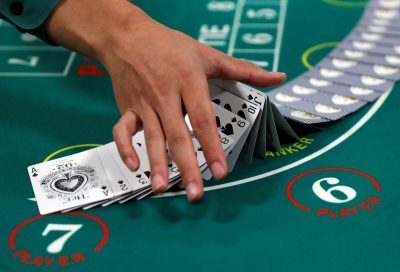
Discover More about Gambling’s Impact
Understanding gambling’s influence on social behavior and its hidden costs is crucial for fostering awareness and promoting responsible habits. Exploring this multifaceted topic can provide insights into the social, psychological, and economic implications of gambling. Engaging with resources that delve deeper into these issues can empower individuals and communities to make informed decisions.
As discussions around gambling continue to evolve, it’s essential to recognize its complexities and address both its risks and rewards. By fostering a comprehensive understanding of gambling’s impact on social behavior, we can better navigate its hidden costs and promote healthier engagement with this popular activity.